Healthcare hasn’t moved away from in-person care…
It has simply become more flexible.
People still value seeing their doctor face to face when they need to. But they also expect healthcare to fit into their lives instead of forcing them to rearrange everything around an appointment.
Checking test results from home, speaking with a provider during a work break, or attending a follow-up without spending an hour commuting has become normal for many patients.
That’s why telehealth continues to grow. Not because it’s replacing traditional care, but because it gives people another way to access it.
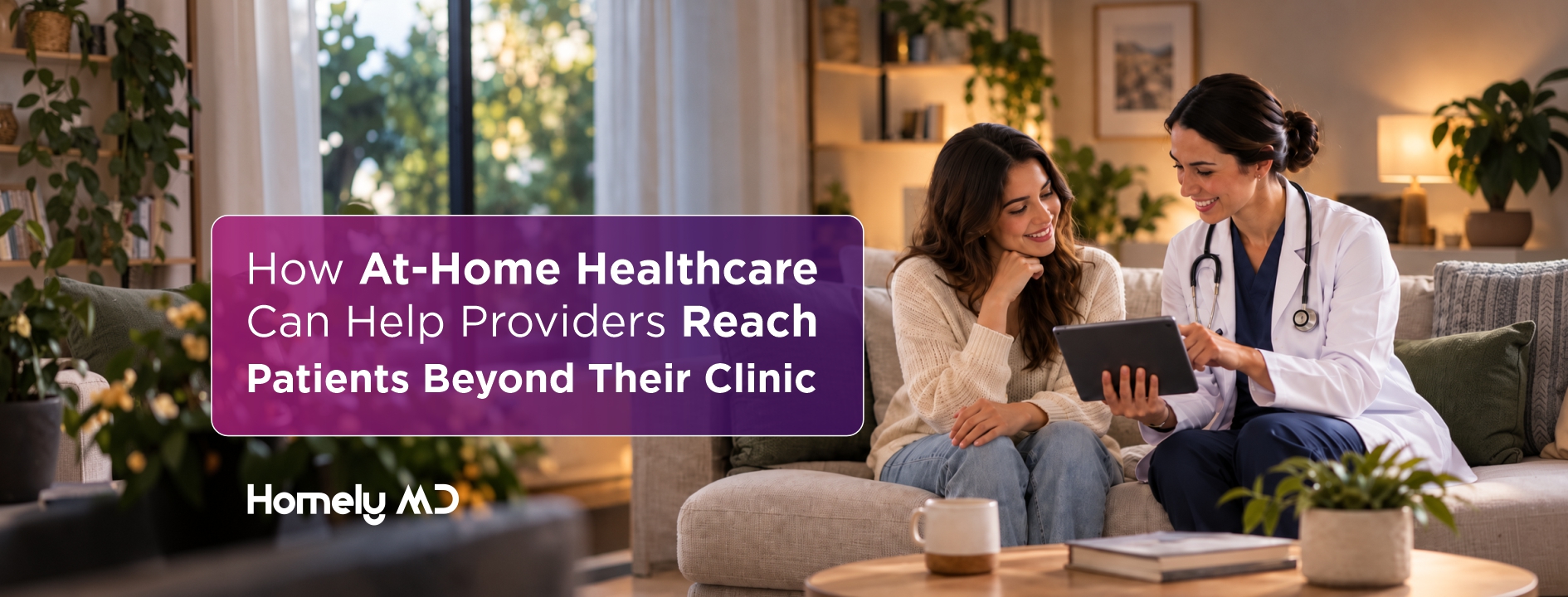
And for many healthcare providers, that flexibility is making care more accessible than ever before.
Access to care isn’t only about where someone lives
When conversations around healthcare access come up, rural communities are often the first thing people think about.
Distance certainly matters.
But in reality, plenty of people living just minutes from a clinic still struggle to keep appointments.
A parent may not have anyone to watch their children.
Someone working hourly shifts might lose income by taking time off.
An older adult may rely on family members for transportation.
Others keep putting off routine check-ins simply because squeezing another appointment into an already busy week feels impossible.
Healthcare barriers don’t always look dramatic.
Sometimes they’re just everyday life getting in the way.
That’s exactly where telehealth makes a meaningful difference.
Healthcare should work around people’s lives
Think about how we manage almost everything else today.
We pay bills online.
Order groceries from our phones.
Join work meetings without leaving home.
Naturally, many people now expect healthcare to offer similar flexibility.
A reliable digital health platform gives patients another way to stay connected with their provider without compromising the quality or continuity of care.
That doesn’t mean every appointment belongs on a screen.
Some visits absolutely need to happen in person.
But many conversations don’t. Giving patients options often means they’re far more likely to stay engaged with their care.
Virtual care has become part of everyday healthcare
The rapid rise of telehealth during the pandemic introduced many patients to virtual care for the first time.
Years later, it’s still here because both patients and providers continue to see its value.
According to the American Hospital Association, hospitals and health systems are continuing to invest in virtual care as part of routine healthcare delivery. Their focus isn’t simply on convenience. Virtual care also helps improve access, strengthens care coordination, and supports changing patient expectations.
That shift says a lot.
Telehealth is no longer viewed as a temporary solution. It’s becoming another standard way healthcare is delivered.
Better access usually means better follow-through
Most patients don’t intentionally skip care.
Life simply gets busy.
A follow-up gets postponed.
A medication review is delayed.
Lab results sit unread for another week.
Individually, those moments might seem small.
Over time, they can affect treatment plans, patient outcomes, and overall engagement.
Offering virtual consultations removes some of that friction.
Reviewing blood work often doesn’t require sitting in a waiting room.
Medication adjustments can frequently happen remotely.
Routine wellness conversations may be just as effective from home.
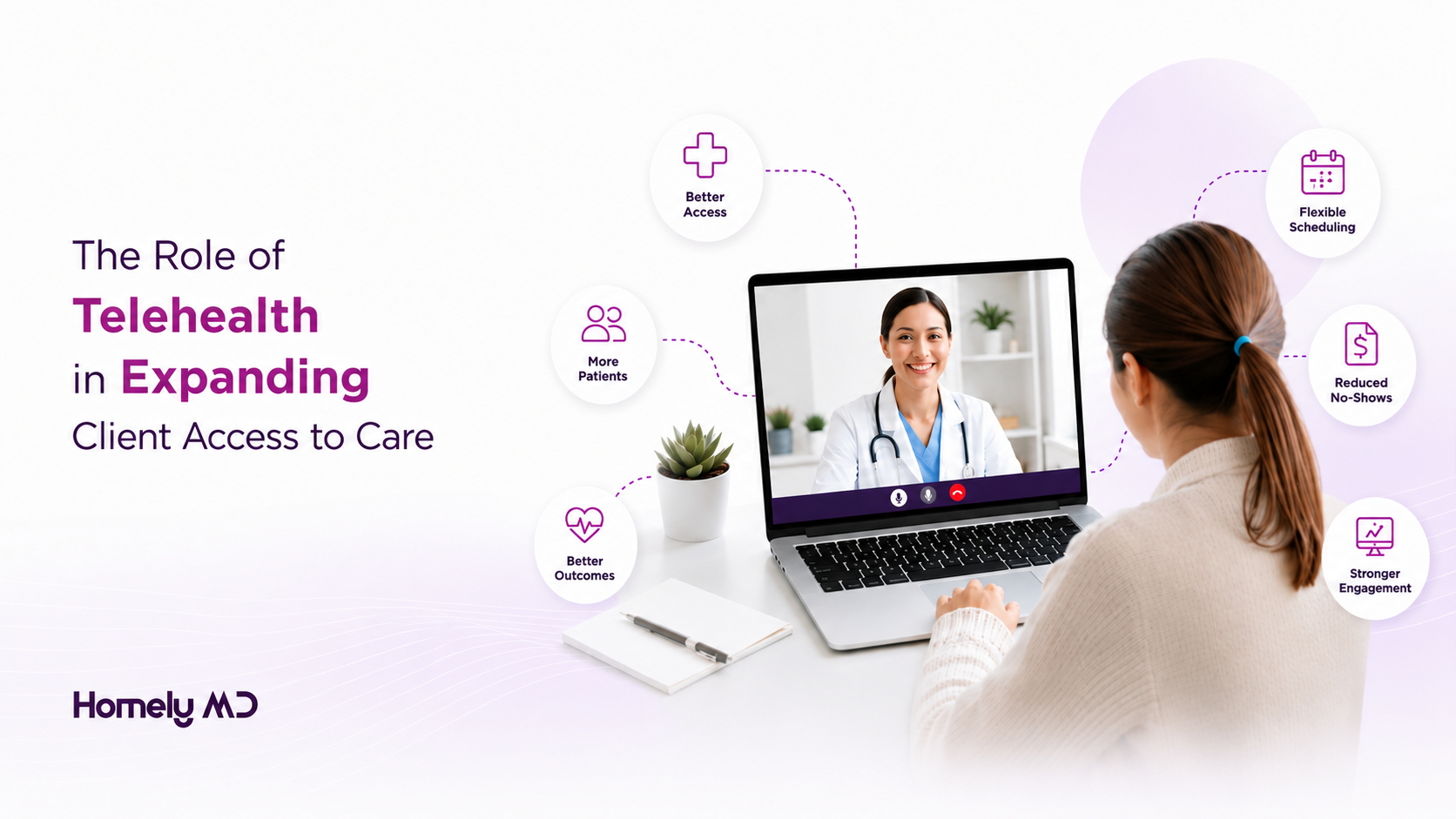
When care becomes easier to access, patients are generally more likely to stay involved.
Telehealth works best alongside in-person care
One of the biggest misconceptions about telehealth is that it’s trying to replace clinics.
It isn’t.
The strongest healthcare models combine both approaches.
A patient might schedule an initial consultation online.
Visit the clinic for testing or treatment.
Complete follow-ups through virtual consultations.
Then continue managing their care through regular digital check-ins.
Instead of treating every appointment the same way, providers can choose the format that best fits the patient’s needs.
That’s a more practical approach to healthcare.
Providers benefit from greater flexibility too
Patients aren’t the only ones seeing the advantages.
Healthcare teams often experience smoother operations as well.
Flexible appointment options can help reduce scheduling gaps.
Administrative staff spend less time coordinating logistics.
Practices may be able to care for patients outside their immediate area where regulations permit.
When communication, scheduling, documentation, and patient information work together inside one system, providers spend less time navigating technology and more time focusing on patient care.
That’s ultimately where the biggest value lies.
Good technology shouldn’t feel complicated
Most patients won’t remember what software their provider uses.
They’ll remember whether booking an appointment was easy.
Whether reminders showed up when they were supposed to.
Whether follow-up felt organized instead of confusing.
Whether their provider already understood their medical history.
Behind those experiences is usually a well-connected digital health platform that quietly keeps everything running together.
When technology supports care instead of getting in the way, both patients and providers notice the difference.
The future of healthcare is about giving people more choices
A video call alone isn’t telehealth.
If appointments are booked in one system, patient records live somewhere else, billing happens on another platform, and virtual consultations are handled separately, things get messy fast. It creates extra work for providers and a frustrating experience for patients.
Most providers don’t need more software. They need fewer tabs open.
That’s really what a good digital health platform should do. It should keep telehealth, EHR, scheduling, billing, patient communication, AI-powered workflows, and practice management connected, so your team can spend less time managing systems and more time looking after patients.
That’s the idea behind Homely MD. We built it to make running a practice simpler, not more complicated.
Whether you’re introducing virtual care or looking to make your current workflow less complicated, Homely MD gives you the technology to expand access, improve the patient experience, and grow with confidence. Get in touch!
FAQs
Is telehealth only for people who live far from a clinic?
No…Many patients use telehealth simply because it’s more convenient. It saves travel time, reduces time away from work, and makes routine appointments easier to manage.
Can every appointment be done through telehealth?
No. Some visits still require physical exams, lab tests, or procedures. Telehealth works best alongside in-person care.
What should a digital health platform include?
A good digital health platform should bring together scheduling, patient records, billing, communication, and virtual consultations in one place..
Are virtual consultations secure?
Yes, when providers use secure, HIPAA-compliant platforms, virtual consultations are designed to protect patient privacy and medical information!
Why are more healthcare providers investing in telehealth?
Because.. patients want care that’s easier to access! Telehealth helps providers improve convenience, stay connected with patients, and support better continuity of care.