Table of Contents
GLP-1 medications have changed the conversation around weight management. Patients are asking more questions, wellness businesses are exploring new service opportunities, and healthcare entrepreneurs are looking for ways to make medical weight management more accessible.
For wellness coaches, gym owners, fitness influencers, and healthcare entrepreneurs, this creates an opportunity to explore telehealth. But building a successful weight-loss offering involves more than promoting a popular treatment. You need to understand the benefits and risks, establish the right clinical partnerships, and create a reliable way to deliver care.
Whether you’re exploring a new revenue stream or planning to start an online weight loss clinic, here’s what you need to know about GLP-1 treatment and the infrastructure needed to build a responsible telehealth business.
What Are GLP-1 Medications, and How Do They Help With Weight Loss?
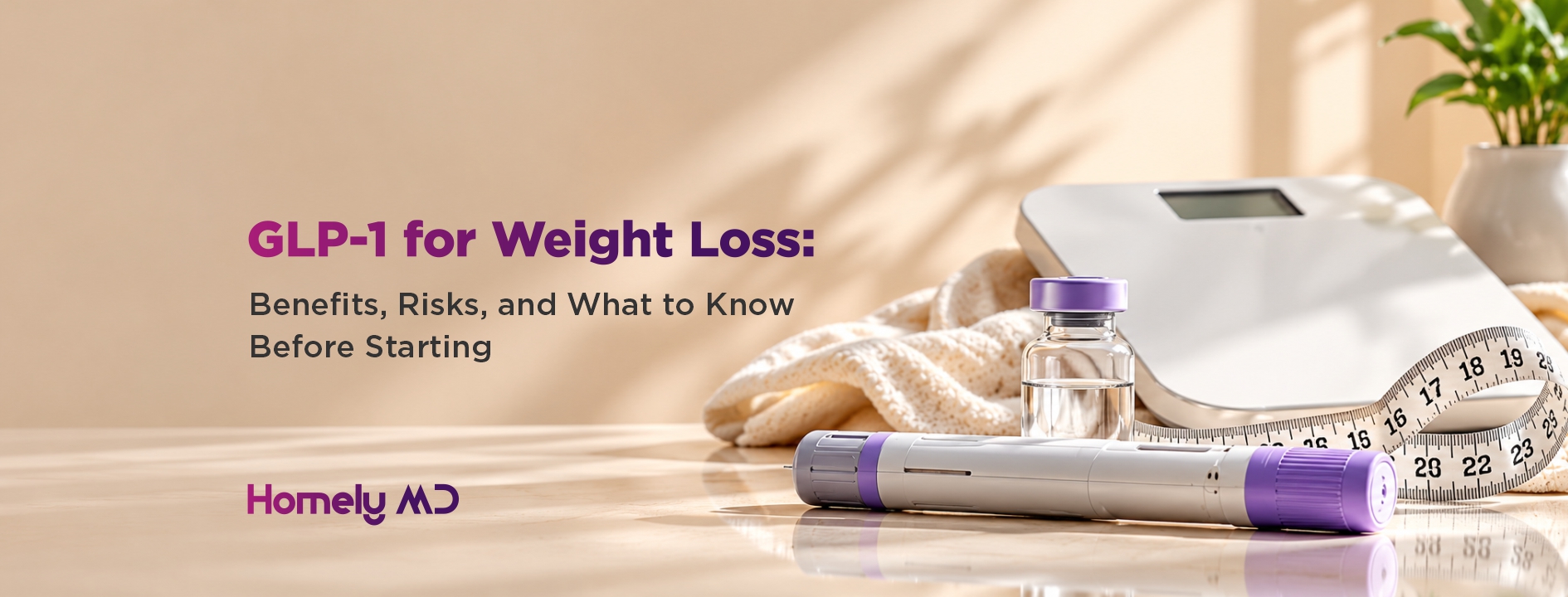
GLP-1 stands for glucagon-like peptide-1, a hormone involved in appetite regulation, blood sugar control, and digestion.
GLP-1 medications mimic the action of this hormone. They can help regulate appetite, increase feelings of fullness, and reduce food intake. Some also slow stomach emptying, which can contribute to feeling full for longer.
For eligible patients, GLP-1 treatment may form part of a medically supervised weight-management plan alongside nutrition, physical activity, and ongoing clinical support.
However, these medications aren’t suitable for everyone. A qualified healthcare professional must evaluate a patient’s medical history, health conditions, current medications, and treatment goals before deciding whether treatment is appropriate.
For wellness businesses, understanding this distinction is essential: GLP-1 treatment is a medical service, not simply another wellness product to add to a menu.
GLP-1 Benefits and Risks: What Should Patients Know?
The growing interest in GLP-1 treatment is understandable, but patients need balanced information before making decisions.
Potential benefits of GLP-1 treatment
For eligible patients, GLP-1 medications may offer several benefits:
- Appetite management: They can help reduce hunger and increase feelings of fullness.
- Weight management: Certain treatments have demonstrated clinically meaningful average weight loss in clinical studies.
- Blood sugar regulation: Some GLP-1 medications can improve blood sugar control in people with type 2 diabetes.
- Ongoing treatment support: When clinically appropriate, medication may be incorporated into a longer-term plan that includes lifestyle changes and follow-up care.
Results vary between individuals. Outcomes depend on factors such as the specific treatment, treatment duration, individual health, and adherence to the prescribed plan.
GLP-1 side effects and safety
Like other prescription treatments, GLP-1 medications can cause side effects. Common issues include:
- Nausea
- Diarrhea
- Constipation
- Vomiting
- Abdominal discomfort
- Reduced appetite
Side effects may be more noticeable when treatment begins or the dose changes. Some people tolerate treatment well, while others may need their clinician to reassess the plan.
Less common but potentially serious risks include pancreatitis, gallbladder problems, and dehydration-related kidney complications. Severe or persistent abdominal pain, repeated vomiting, or other concerning symptoms should be evaluated promptly by a healthcare professional.
Certain GLP-1 medications also have specific warnings and contraindications. These vary by product, which is why treatment decisions require an individualized medical assessment.
Safe GLP-1 treatment requires more than an initial prescription. Patients need appropriate screening, clinical guidance, follow-up, and a clear process for addressing side effects or changing treatment when necessary.
What happens when someone stops GLP-1 treatment?
Stopping treatment can affect appetite and long-term weight management. Some people experience increased hunger and regain weight after discontinuation.
Patients should discuss long-term expectations, alternatives, and ongoing support with their prescribing clinician. They should not change or discontinue prescribed treatment without appropriate medical guidance.
For businesses, this highlights an important point: a responsible weight-management service should be designed around continuing patient care, not just the first appointment.
Why GLP-1 Is Creating Opportunities for Wellness Businesses
The growing interest in medical weight management has encouraged many businesses to consider how they can support clients seeking treatment.
A gym may want to connect members with qualified medical weight-management services. A wellness coach may want to complement lifestyle coaching with access to clinical care. An entrepreneur may want to build a branded online clinic.
These opportunities aren’t identical, and neither are the responsibilities involved.
A telehealth weight loss program can connect eligible patients with remote consultations, clinical assessments, follow-up appointments, and appropriate treatment management. Depending on the business model, the service may also incorporate laboratory workflows, pharmacy coordination, and lifestyle support.
For non-clinical businesses, the role may be limited to education, referrals, general wellness support, or marketing under an appropriate arrangement. Coaches, trainers, and influencers cannot independently diagnose patients or prescribe medication unless they hold the required credentials and legal authorization.
The opportunity is to build a service that connects people with qualified care while staying within the boundaries of each professional’s role.
How Can Wellness Coaches Build a GLP-1 Program?
A GLP-1 program for wellness coaches should be structured around what the coach is qualified and legally permitted to provide.
Wellness coaches can often support clients by:
- Helping establish sustainable nutrition and activity habits.
- Providing accountability and general lifestyle guidance.
- Sharing accurate, clinician-approved educational information.
- Referring interested clients to appropriately licensed healthcare professionals.
- Supporting non-clinical wellness goals alongside a patient’s medical care.
Clinical decisions—including eligibility assessments, prescribing, dosage changes, and medical monitoring—must be handled by appropriately qualified professionals.
Before launching a partnership, coaches should clarify who handles patient intake, clinical consultations, follow-up, medication-related questions, and urgent concerns. Referral arrangements, compensation structures, and promotional claims should also be reviewed for applicable healthcare and advertising requirements.
The objective isn’t to turn wellness coaches into medical providers. It’s to create a clear connection between wellness support and professional healthcare.
How to Start an Online Weight Loss Clinic
If you’re planning to start an online weight loss clinic, you need more than a website and a way to accept appointments. You need a defined operating model and the infrastructure to support patient care.
Here are five essential considerations.
1. Choose your business model
Decide whether you’re establishing a clinician-led practice, partnering with an existing clinical organization, or building a non-clinical business that refers interested individuals to independent medical services.
Your structure influences clinical responsibilities, payment arrangements, marketing practices, and regulatory requirements. State-specific legal advice may be necessary, especially if you plan to serve patients across multiple states.
2. Establish clinical oversight
Medical weight management requires qualified professionals who can evaluate patients, determine treatment eligibility, prescribe when appropriate, and provide follow-up care.
Your model should define how medical histories are reviewed, contraindications are assessed, side effects are managed, and treatment decisions are documented.
Technology can support these processes, but it cannot replace clinical judgment.
3. Select a white-label telehealth platform
Building healthcare technology from scratch can require substantial time, investment, and technical resources.
A white-label telehealth platform provides an alternative by allowing a business to deliver a branded digital experience using existing infrastructure.
Depending on the selected arrangement, features may include:
- Branded patient portals and digital intake.
- Appointment scheduling and virtual consultations.
- Electronic health records and clinical documentation.
- Secure patient communication and follow-up workflows.
- Payment processing and administrative tools.
- Pharmacy and laboratory integrations where appropriate.
Before selecting a platform, confirm exactly which services are included, how clinical responsibilities are assigned, and what your business must manage independently.
4. Build a responsible marketing strategy
Patients searching for GLP-1 treatment need accurate information, realistic expectations, and access to qualified care.
Avoid promising guaranteed weight loss, suggesting that treatment has no risks, or implying that every person is eligible for medication.
5. Plan for ongoing patient support
A successful service should account for what happens after the initial consultation.
Patients may need follow-up appointments, treatment reviews, side-effect assessment, lifestyle guidance, and ongoing communication with their clinical team.
Define these workflows before launch. Clear responsibilities and accessible follow-up can help create a more reliable patient experience while supporting the long-term operation of your business.
What to Look for in a Telehealth Platform for Wellness Businesses
Not every platform offers the same level of support. Some provide scheduling and video consultations, while others offer broader healthcare technology and operational infrastructure.
When evaluating a telehealth platform for wellness businesses, consider the following:
| Feature | Why it matters |
| White-label branding | Creates a patient experience aligned with your business identity. |
| EHR and clinical workflows | Supports patient records, documentation, and care coordination. |
| Provider network access | Helps establish how qualified clinicians can be engaged. |
| Pharmacy and lab integrations | May support relevant clinical workflows where available and appropriate. |
| Payments and administration | Helps manage the operational side of your service. |
| State-specific requirements | Helps clarify licensing, professional-practice, and other legal considerations. |
| Follow-up capabilities | Supports ongoing care beyond the initial consultation. |
An all-in-one platform for healthcare providers may help simplify operations by bringing multiple tools and services into a more connected setup. However, the phrase “all-in-one” should not be taken to mean that every clinical, legal, or operational responsibility is automatically covered.
Ask potential providers what is included, what costs extra, who manages clinical care, and which responsibilities remain with your organization.
The right platform should match your business model and support a clear patient-care process—not simply offer the most features.
How Homely MD Helps You Launch a Telehealth Business
Launching a telehealth business can mean coordinating technology, clinical workflows, provider relationships, and other healthcare services. Managing every component independently can slow down the process.
Homely MD is a technology-enabled healthcare platform that supports healthcare providers, clinics, entrepreneurs, and wellness businesses exploring digital care models.
Depending on the selected arrangement, its infrastructure can support white-label telehealth, EHR/EMR workflows, provider-network access, and pharmacy or laboratory integrations.
This can help businesses explore a more streamlined path to establishing a branded telehealth offering without building every technology component from scratch.
Before choosing your setup, confirm the services included, clinical arrangements, state-specific requirements, and responsibilities that remain with your business.
For entrepreneurs who want to move from planning to execution, having the right infrastructure in place can make the launch process more manageable.
Ready to Launch Your Telehealth Business?
You don’t have to build every part of your healthcare business from the ground up.
With the right technology and operational setup, you can explore launching a branded telehealth service with Homely MD and get your business live in as little as 7 days, depending on your selected model, onboarding requirements, and readiness.
Whether you’re a healthcare entrepreneur, wellness business, or clinic owner, take the next step toward building your telehealth offering.
Get started with Homely MD and explore how to launch your business in 7 days.
Frequently Asked Questions
1. What are the benefits and risks of GLP-1 medications for weight loss?
GLP-1 medications may help eligible patients manage appetite, lose weight, and improve blood sugar control in certain circumstances. Common side effects include nausea, constipation, diarrhea, and vomiting. Serious risks are also possible, so treatment should be assessed and monitored by a qualified healthcare professional.
2. How can wellness coaches offer a GLP-1 program?
Wellness coaches can explore partnerships with qualified healthcare providers, offer non-clinical lifestyle support, and refer interested clients to appropriate medical services. They must remain within their professional scope and cannot independently prescribe medication unless legally authorized to do so.
3. What is an all-in-one platform for healthcare providers?
An all-in-one platform for healthcare providers brings together multiple technology or operational capabilities, such as patient management, EHR workflows, telehealth, and selected integrations. The exact services vary, so businesses should confirm what is included and which responsibilities remain theirs.
4. How can you start an online weight loss clinic?
Starting an online weight loss clinic requires a defined business model, qualified clinical professionals, suitable telehealth technology, patient intake and follow-up workflows, and an understanding of applicable legal requirements. Additional integrations may be needed depending on the services offered.
5. How quickly can you launch a white-label telehealth business?
Launch timelines depend on the platform, business model, onboarding, and clinical and operational requirements. Homely MD offers a pathway designed to help eligible businesses get live in as little as 7 days, subject to the selected arrangement and readiness.