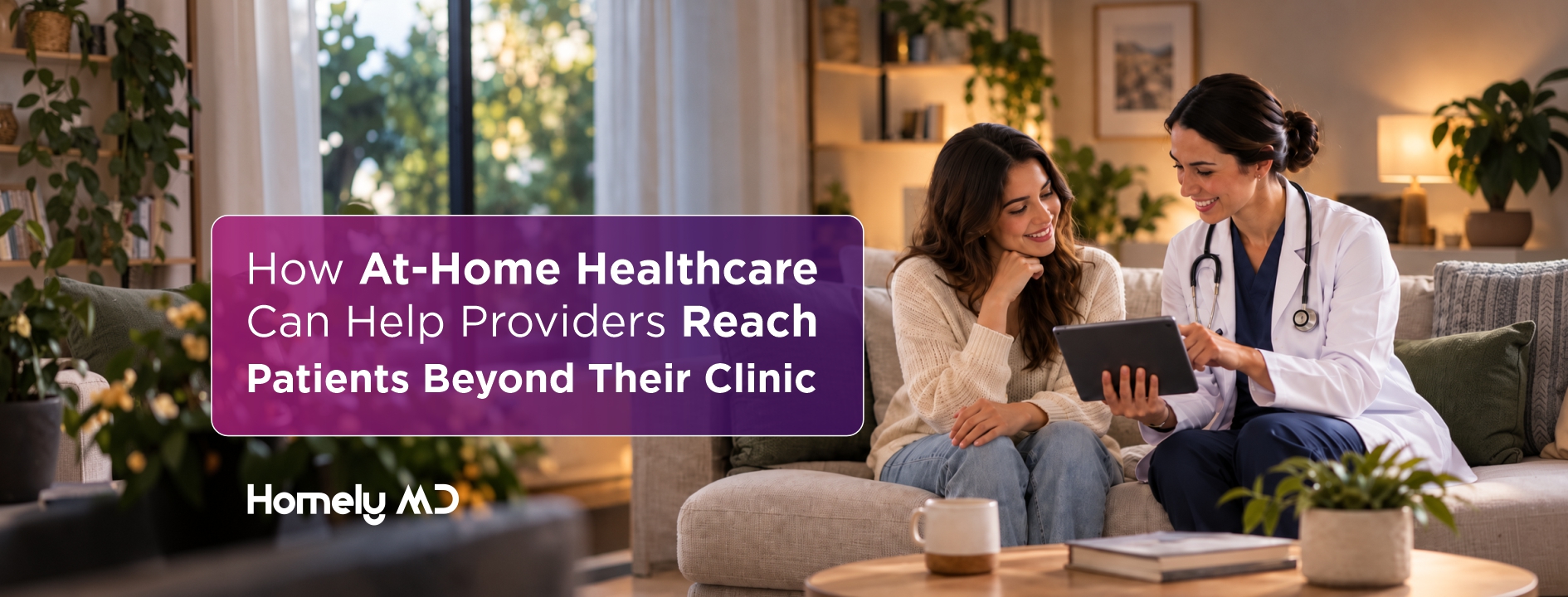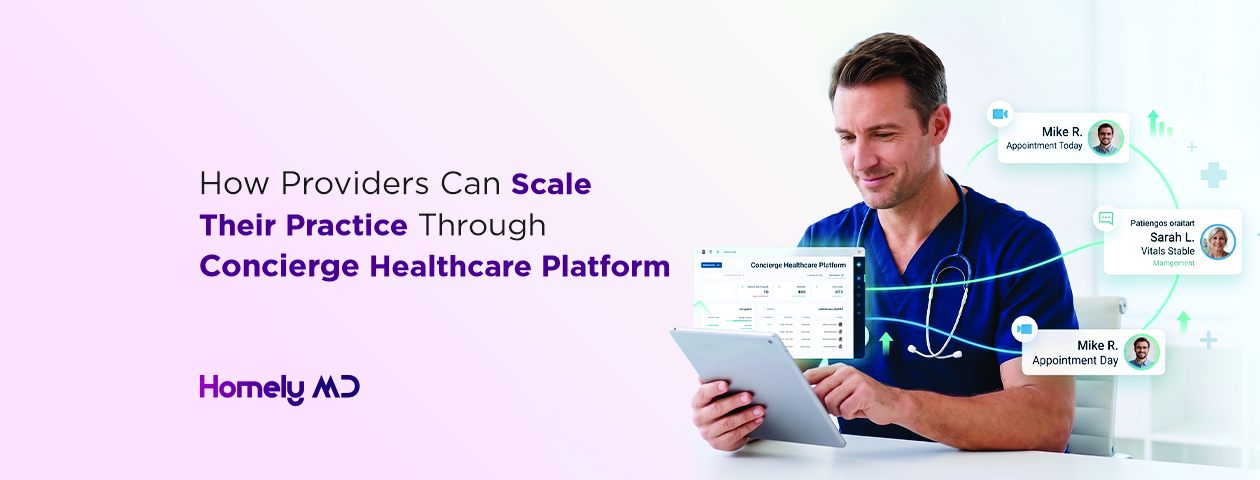
The healthcare industry is evolving rapidly, and traditional practice models are no longer the only path for growth. Today, many providers are turning to concierge healthcare platform to expand their reach, improve patient relationships, and build more sustainable practices.
By combining technology, personalized care, and flexible service delivery, concierge platforms are opening new doors for healthcare professionals to scale efficiently without compromising quality.
Understanding Concierge Healthcare Platforms
Concierge healthcare platforms connect providers with patients seeking:
- Personalized care
- At-home medical services
- Virtual consultations
- Wellness and preventive treatments
These platforms handle much of the operational burden, allowing providers to focus on what matters most delivering high-quality care.
1. Expanding Patient Reach Without Physical Expansion
In traditional practice, growth often requires:
- Opening new clinics
- Hiring more staff
- Investing in infrastructure
Concierge platforms remove these limitations by enabling providers to:
- Offer telehealth consultations
- Deliver at-home care services
- Reach patients beyond geographic boundaries
This allows providers to scale their practice without significant overhead costs.
2. Optimizing Time and Increasing Efficiency
Time is one of the most valuable resources for any healthcare provider. Concierge platforms help optimize it by:
- Reducing administrative workload
- Streamlining appointment scheduling
- Managing patient communication
With fewer operational distractions, providers can:
- See more patients
- Spend more quality time per consultation
- Improve overall productivity
3. Building Stronger Patient Relationships
Concierge care emphasizes quality interactions over volume. This approach helps providers:
- Offer longer, more meaningful consultations
- Understand patient needs deeply
- Provide personalized treatment plans
Stronger relationships lead to:
- Higher patient satisfaction
- Better retention
- Increased referrals
All of which contribute to sustainable growth.
4. Leveraging Technology for Scalable Care
Modern concierge platforms integrate tools such as:
- Electronic health records (EHR)
- Virtual consultation systems
- Secure communication channels
These technologies enable providers to:
- Deliver care efficiently
- Monitor patient progress remotely
- Maintain organized records
Technology acts as a multiplier, allowing providers to scale without losing control.
5. Diversifying Revenue Streams
Concierge healthcare platforms allow providers to expand beyond traditional services by offering:
- Subscription-based care plans
- At-home visits
- Wellness treatments (IV therapy, preventive care)
- Aesthetic and lifestyle services
This diversification helps:
- Increase revenue
- Reduce dependency on insurance-based models
- Create more predictable income streams
6. Delivering Premium At-Home Services
At-home healthcare is becoming increasingly popular among patients seeking comfort and privacy.
Providers can scale by offering:
- Home visits for consultations and treatments
- Mobile wellness and preventive services
- Personalized care experiences
This model not only attracts high-value clients but also differentiates providers in a competitive market.
7. Focusing on Preventive and Long-Term Care
Concierge platforms encourage a proactive approach to healthcare, enabling providers to:
- Offer ongoing health monitoring
- Build long-term care plans
- Focus on prevention rather than just treatment
This results in:
- Better patient outcomes
- Stronger provider-patient relationships
- Consistent engagement over time
8. Reducing Operational Burden
One of the biggest advantages of concierge platforms is the support they provide behind the scenes.
They often handle:
- Marketing and patient acquisition
- Scheduling and logistics
- Payment processing
- Customer support
This allows providers to scale their practice without being overwhelmed by administrative tasks.
9. Enhancing Professional Flexibility
Concierge healthcare offers providers:
- Flexible working hours
- Control over patient load
- Freedom to choose services offered
This flexibility improves:
- Work-life balance
- Job satisfaction
- Long-term career sustainability
The Future of Scalable Healthcare
As patient expectations evolve, healthcare is shifting toward:
- Personalized care
- Convenience-driven services
- Technology-enabled delivery
Concierge healthcare platforms are at the center of this transformation, offering providers a modern, scalable practice model.
Scaling Smarter, Not Harder
Scaling a healthcare practice no longer requires massive infrastructure or complex systems. With concierge healthcare platforms, providers can grow their practice by:
- Expanding reach through digital and at-home services
- Improving efficiency with technology
- Building stronger patient relationships
- Diversifying income streams
This approach allows providers to scale smarter, faster, and more sustainably.
Grow Your Practice on Your Terms
A modern healthcare model focused on flexibility, efficiency, and patient-first care creates new opportunities to expand your reach and deliver exceptional experiences—without being held back by traditional limitations.
Connect with Homely MD now: https://homelymd.com/get-in-touch/